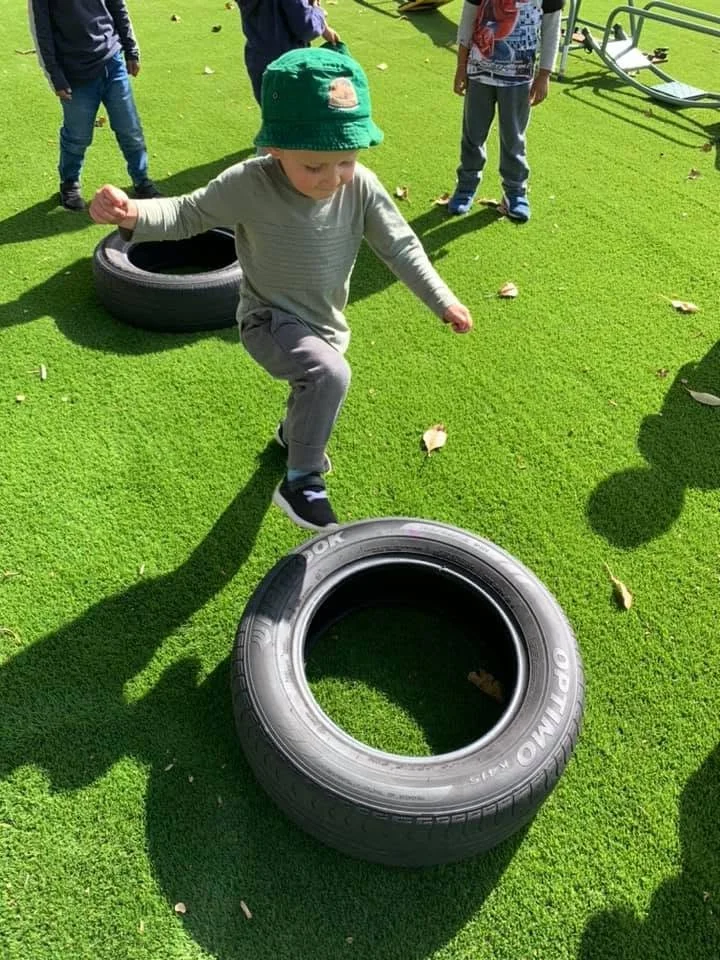
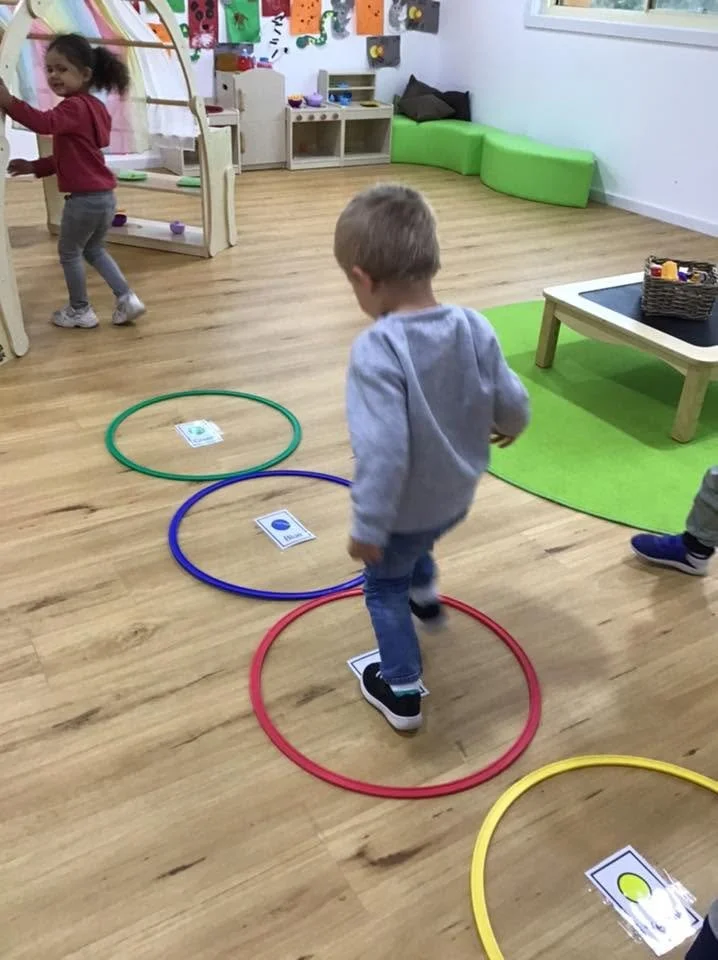
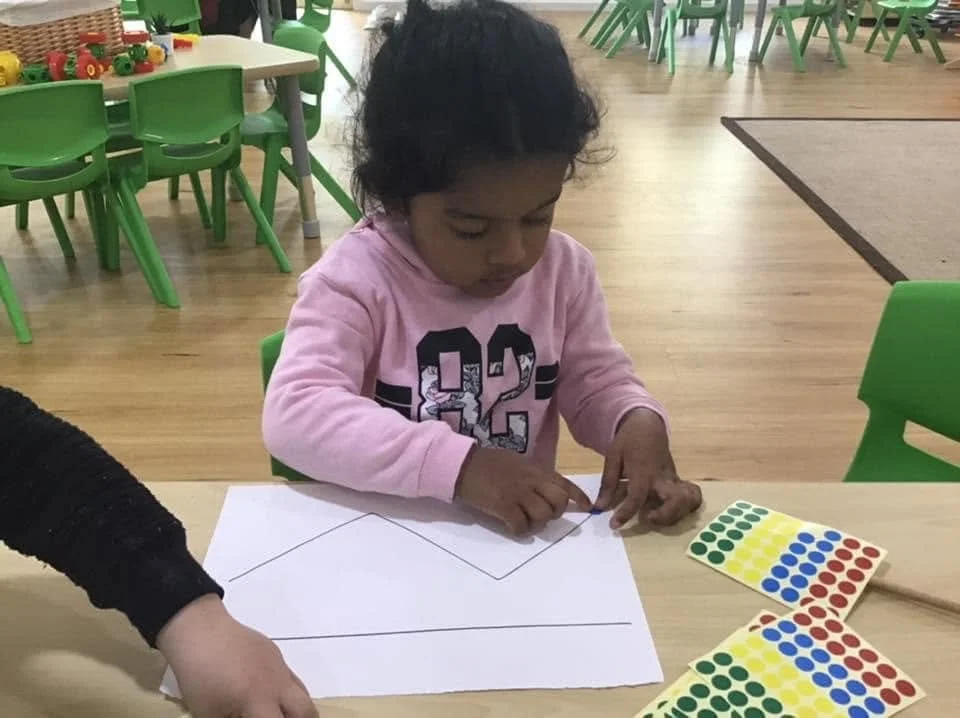
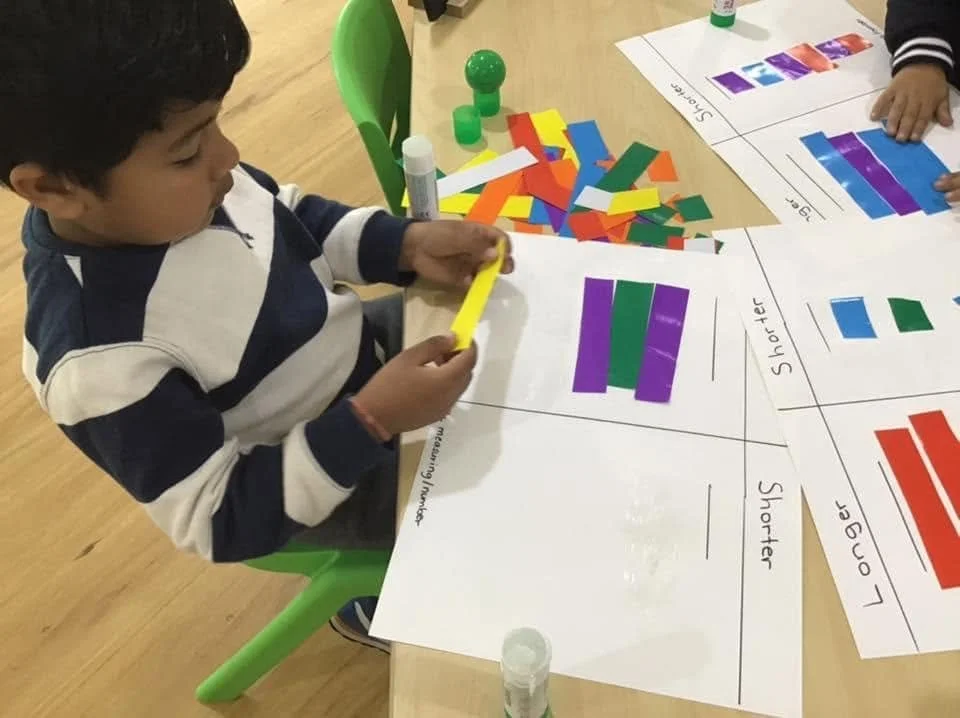
Before children can add numbers or measure length, they’re building the foundations of mathematical thinking through shape — noticing, comparing, sorting, and finding patterns in the world around them. At Redfern Cottage, shape exploration is a rich part of our early learning program, woven into play, art, construction, and everyday discovery.
Why Shapes Matter in Early Maths
Shapes might look like the simplest part of the maths curriculum, but the thinking they develop is anything but simple. Learning to identify and compare shapes is actually an introduction to geometry, spatial reasoning, and logical classification — all skills that underpin higher-level maths learning well into the school years.
Shape-based learning helps children develop:
Spatial awareness — understanding how shapes relate to each other and to the space around them
Mathematical language — words like “sides,” “corners,” “flat,” “round,” and “equal” build early maths vocabulary
Problem-solving — fitting shapes into puzzles or using blocks to build structures requires planning and logical thinking
Pattern recognition — identifying shapes in the environment and noticing how they repeat is an early maths and science skill
Fine motor skills — cutting, drawing, and building with shapes all require and develop hand control and precision
Shape Learning in Action
In our Little Explorers room, shape learning comes alive through a variety of hands-on experiences. Children explore circles, squares, triangles, and rectangles by building with blocks, creating shape-themed artwork, completing puzzles, and identifying shapes they find in their environment. Rather than simply memorising names, children experience shapes — they hold a triangle, build a rectangle, and find circles hiding in the everyday objects around them.
This multi-sensory approach is important because it helps children understand shapes as real, three-dimensional things rather than abstract names on a flashcard. A child who has built a tower with square blocks and rolled a ball understands the difference between a square and a circle in a way that no poster can convey.
Shapes Are Everywhere
One of our favourite aspects of shape learning is the way it transforms how children see their everyday environment. Once a child is tuned into shapes, they start spotting them everywhere — the circle of a clock face, the rectangle of a door, the triangle of a sandwich. Encouraging children to go on “shape hunts” in the room, the garden, or on the way to the centre builds observation skills and makes maths feel like an adventure rather than a lesson.
Supporting Shape Learning at Home
Families can easily extend shape learning at home. Building with blocks or Duplo, completing simple shape puzzles, pointing out shapes on signs and buildings during a walk, or using cookie cutters to explore shapes while cooking are all rich, playful ways to reinforce what children are learning at the centre.
Building Mathematical Thinkers
The spatial awareness, pattern recognition, and logical thinking children develop through shape exploration in these early years travel with them into school maths and beyond. If you’d like to find out more about how we approach early maths at Redfern Cottage, get in touch with our team — we’d love to chat.