Seeing the World in Colour: How Colour Exploration Supports Early Learning
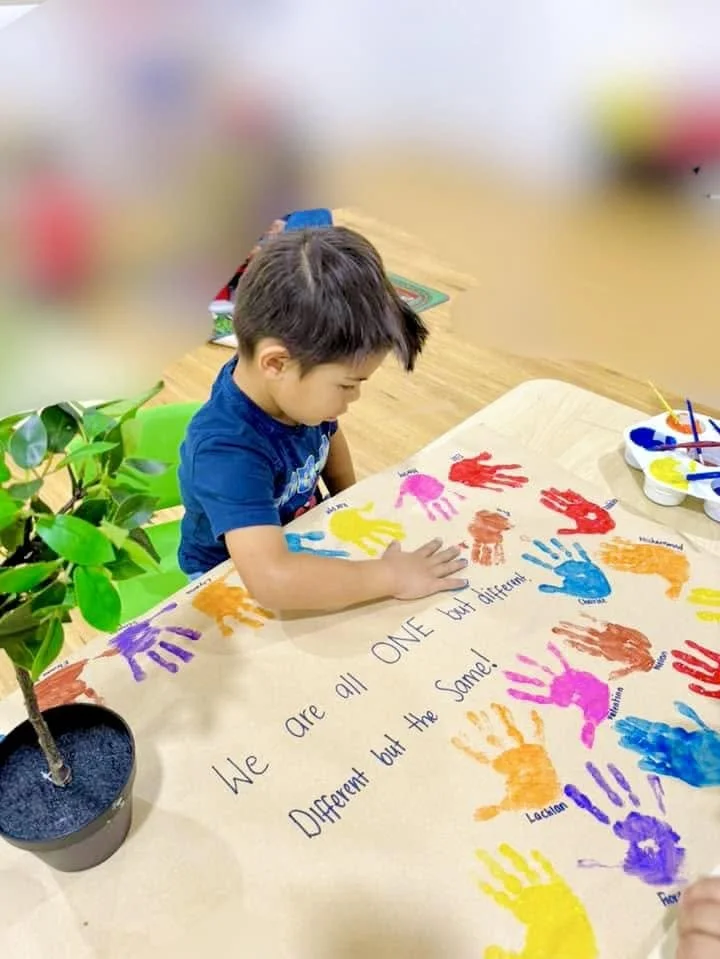
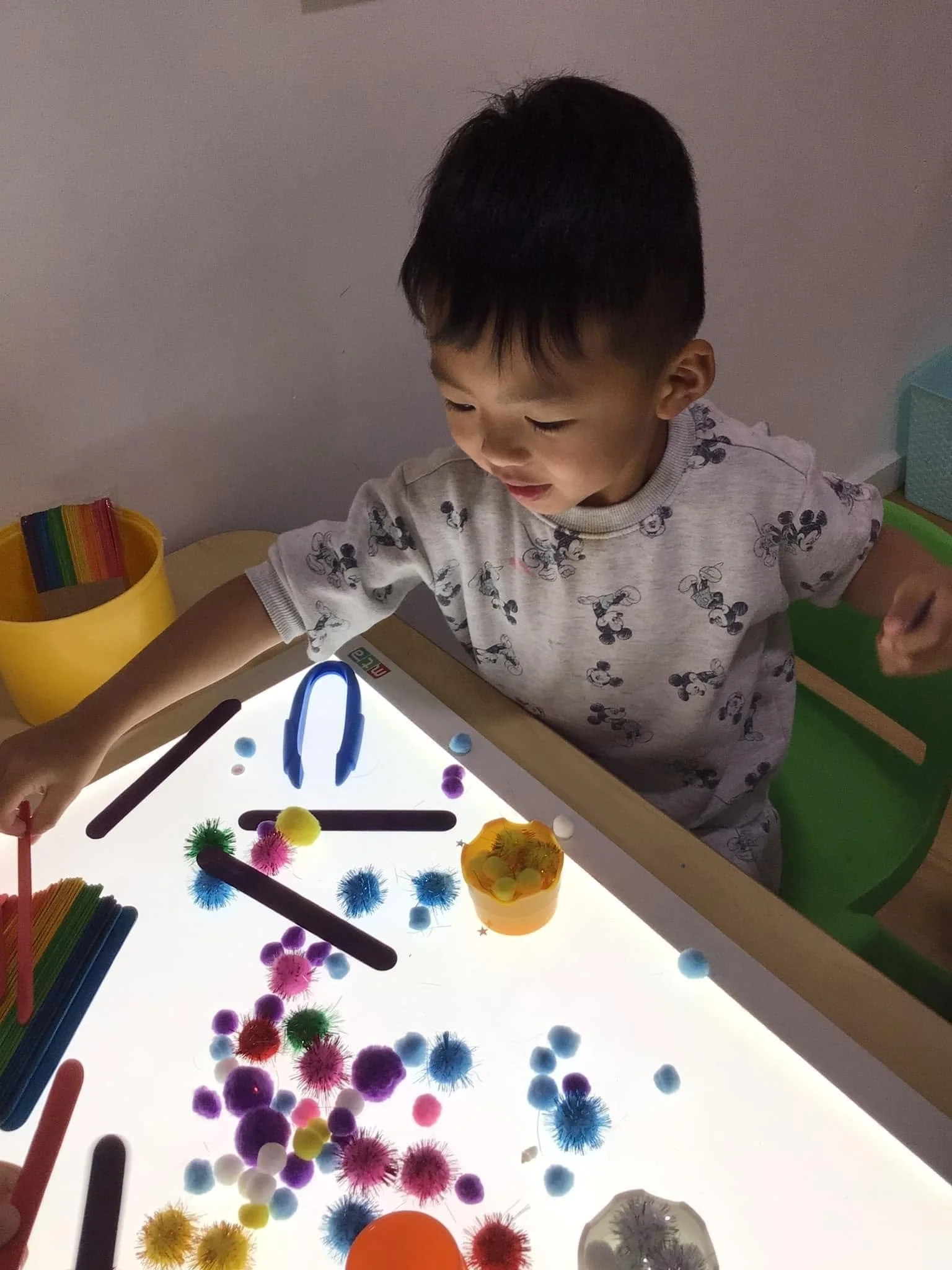
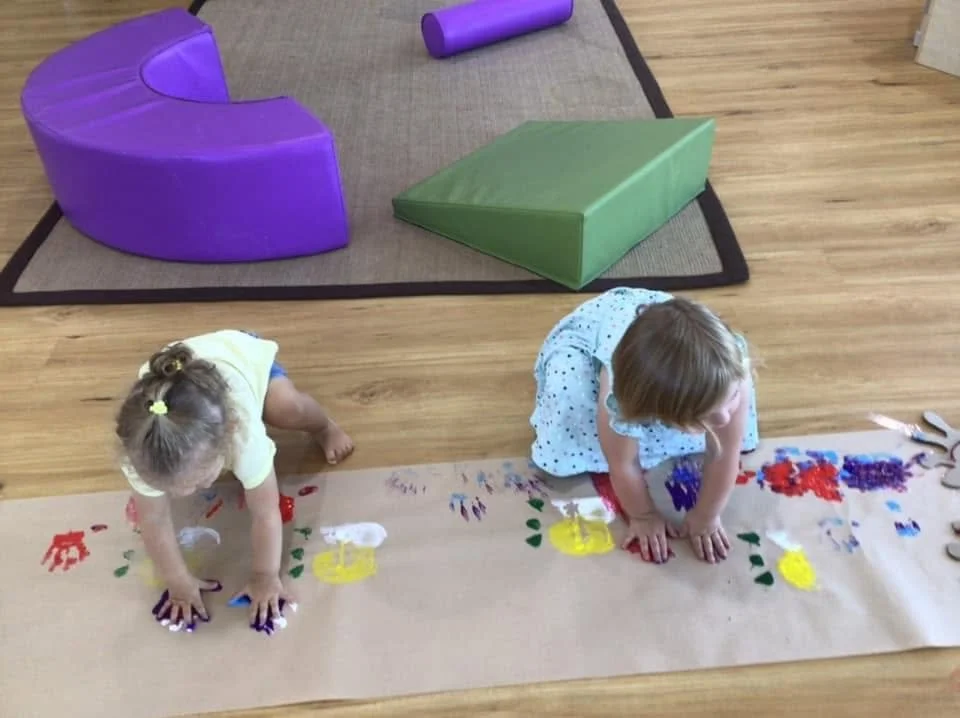
Red. Orange. The bright, wintry whites and blues of a winter sensory tray. Colour is one of the first things young children notice about the world, and at Redfern Cottage, we use that natural fascination as a doorway into a remarkably wide range of learning — language, art, science, maths, and sensory development all rolled into one joyful, colourful experience.
Why Colour Is Such a Rich Learning Tool
Colour seems simple, but exploring it with young children opens up a surprising amount of developmental territory. A focused colour experience, done well, can simultaneously build vocabulary, fine motor skills, visual awareness, memory, and early classification skills. And because colour is everywhere — in natural materials, in food, in art, in everyday objects — the learning extends far beyond a single activity.
Colour-based learning supports children to develop:
Language and vocabulary — naming colours, describing shades, and comparing (“this red is darker than that red”)
Cognitive development — sorting, matching, and classifying by colour build early mathematical thinking
Visual awareness — training children to really look at and notice colour develops observation skills used in reading, science, and art
Sensory exploration — paint, natural materials, fabric, and water all carry colour in different ways, each offering a distinct sensory experience
Creativity and expression — mixing colours, creating colour-themed artwork, and responding to colour emotionally builds creative confidence
A Different Colour, a Different Adventure
Rather than simply pointing to a colour chart, our educators design immersive, colour-focused experiences for our Tiny Wanderers. A week focused on the colour red might bring red toys, red books, red natural materials, red paint, and red fruit to the table — children sort, paint, sing, and discover red through as many different textures and contexts as possible. A week exploring orange might incorporate earthy natural materials and recycled objects, weaving sustainability into the colour learning at the same time.
These layered, theme-rich experiences mean children encounter a concept from multiple angles, giving it much more staying power than a single activity ever could.
Colour in the Natural World
Some of the most beautiful colour exploration we offer involves natural materials — leaves in autumn shades, bark, seeds, soil, and flowers. Noticing and collecting natural colours connects children to the outdoor world and opens up early conversations about seasons, plants, and the environment. It’s a reminder that the most engaging classroom is often just outside the door.
Bringing Colour Home
Colour exploration is wonderfully easy to continue at home. A nature walk to collect objects of the same colour, mixing food colouring into playdough or water, or creating a simple colour collage from magazine scraps or leaves all offer the same kind of rich learning we encourage at the centre. Even sorting fruit into colours at snack time counts.
The World Looks Brighter Through Curious Eyes
The most important outcome of colour exploration isn’t knowing the names of colours — it’s the habit of noticing. Children who learn to really look at the world around them grow into curious, observant learners. If you’d like to see how we bring colour to life in our rooms, get in touch with our team to arrange a visit.