Building Early Maths Confidence Through Play
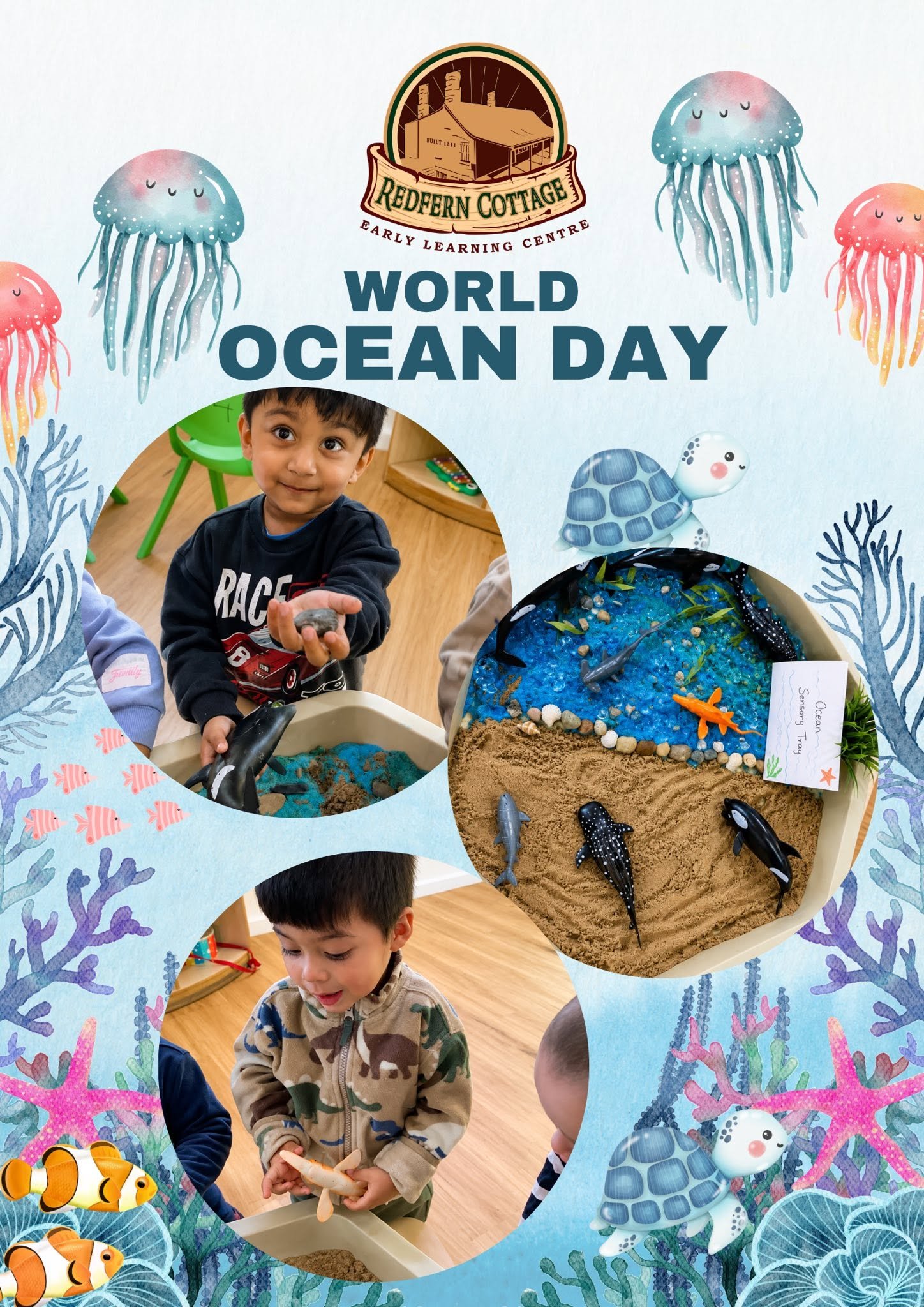
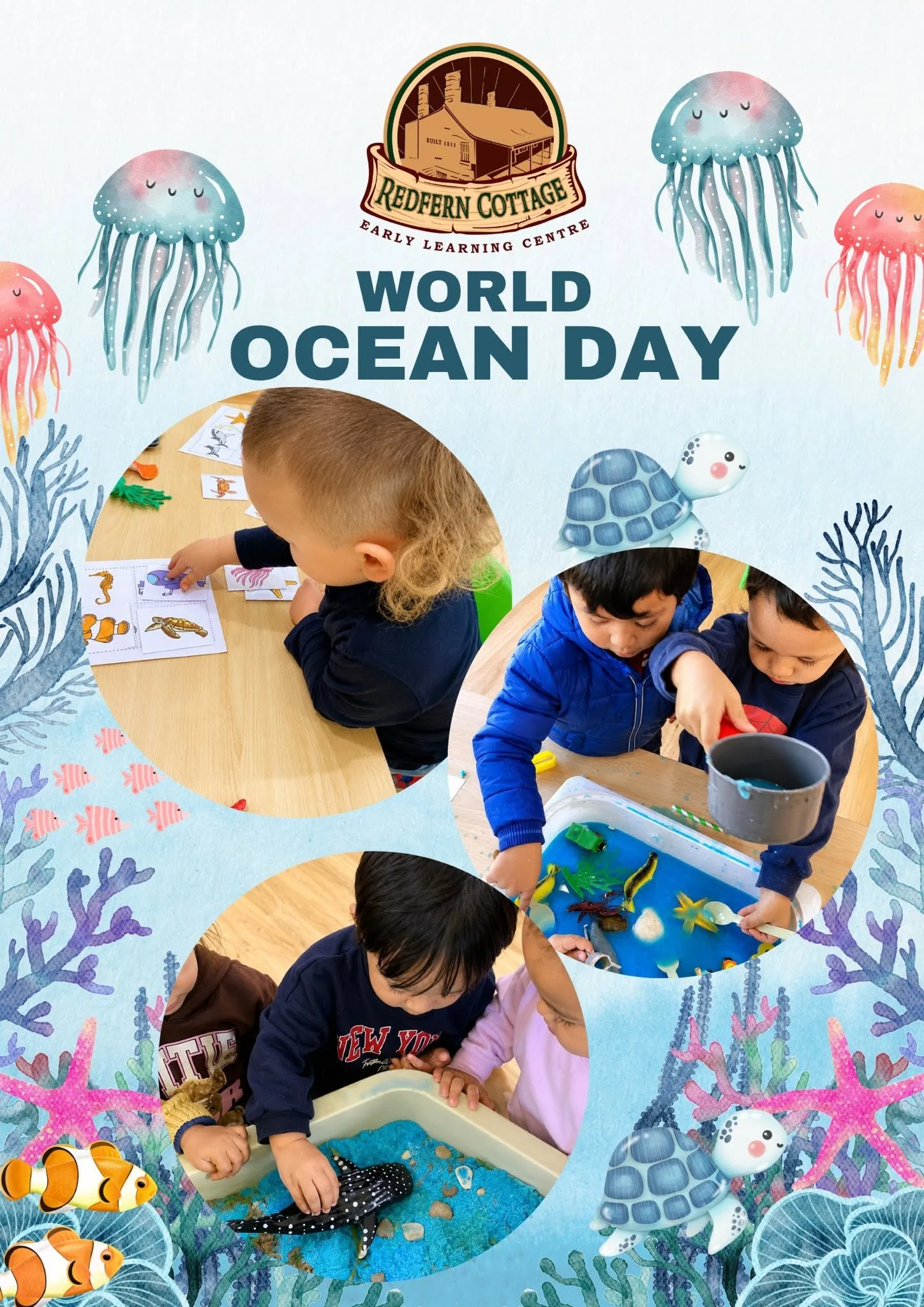
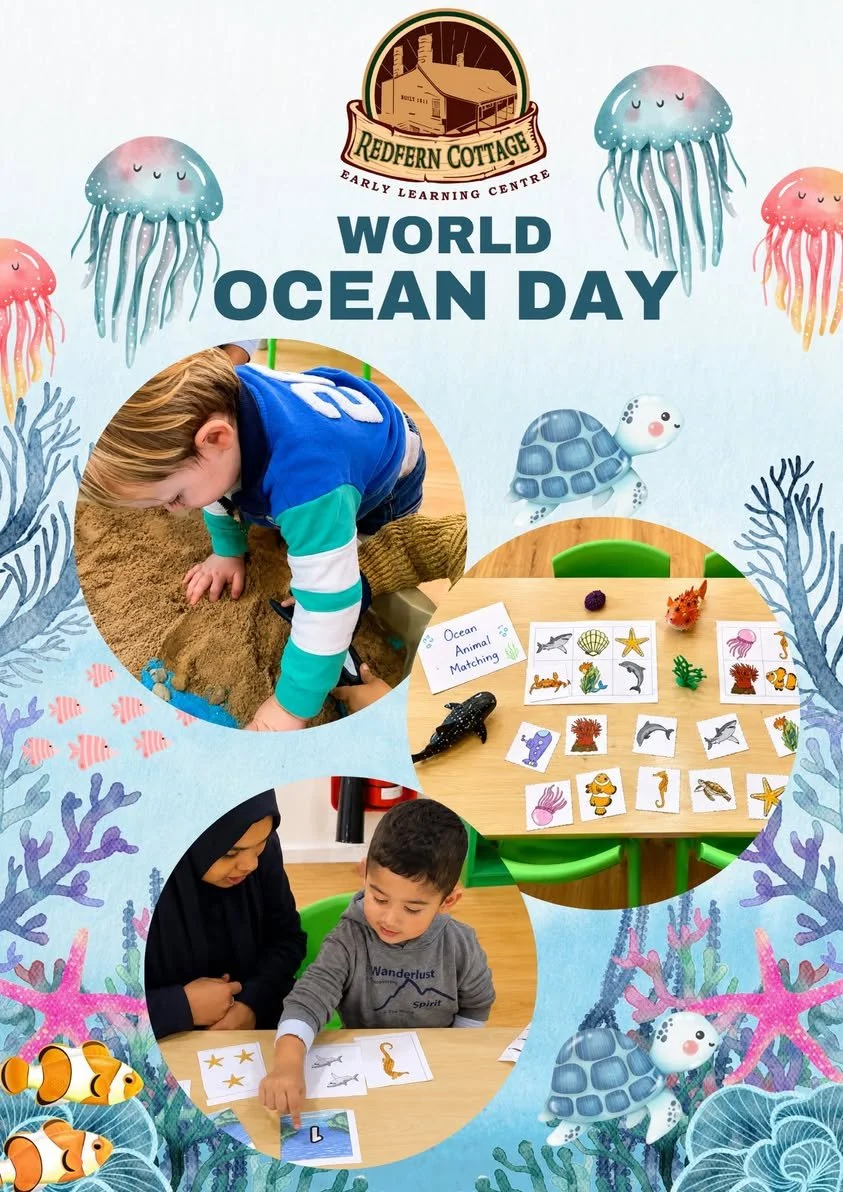
Ask a toddler to recite their numbers and they might surprise you — but real mathematical understanding is built long before a child can count to ten from memory. At Redfern Cottage, early numeracy is introduced the way young children learn best: through play, games, and everyday hands-on experiences.
Why Early Numeracy Matters
The early years are when children begin forming their relationship with numbers, patterns, and logical thinking — skills that go on to support everything from problem-solving to school readiness. Confidence with early maths concepts doesn't come from memorising facts; it comes from repeated, playful exposure to counting, sorting, comparing, and recognising numbers in everyday life.
Early numeracy experiences help children build:
Number recognition — identifying and naming numbers in their environment
Counting confidence — understanding quantity, sequence, and one-to-one correspondence
Sorting and classification skills — an early foundation for logical and mathematical thinking
Problem-solving — working out simple puzzles and patterns independently or with peers
How Numeracy Comes to Life in Our Rooms
In our Little Explorers room, numeracy is woven into a variety of fun, interactive experiences. Counting games and number songs make numbers part of everyday conversation and play, while puzzles and hands-on sorting activities give children a tactile way to practise recognising and ordering numbers. Rather than sitting down for a "maths lesson," children are counting blocks during construction play, sorting toys by colour or size, and singing number songs during group time — all without realising they're building a crucial academic skill.
This playful approach matters because it keeps numeracy fun and pressure-free. Children who associate numbers with games and stories, rather than tests, tend to approach maths with more curiosity and confidence as they get older.
Maths Is Everywhere
One of the best things about early numeracy is that it doesn't require a dedicated "maths corner." Setting the table for snack time, counting how many friends are in the group, or noticing how many red blocks are in the tower are all genuine maths experiences. Our educators look for these everyday moments throughout the day, turning ordinary routines into opportunities for number talk.
Supporting Number Confidence at Home
Parents can easily extend this learning at home. Counting stairs as you climb them, sorting washing into piles, playing simple board or card games, or singing number songs in the car are all simple ways to reinforce number recognition and counting skills without any special resources required.
Building Confidence for the Years Ahead
A strong, playful foundation in early numeracy gives children the confidence to tackle more formal maths learning once they reach school — not because they've memorised facts, but because numbers feel familiar, friendly, and fun. If you'd like to see how we bring numeracy to life across our rooms, get in touch with our team — we'd love to show you around.