How Redfern Cottage Builds Positive Food Habits in Early Childhood
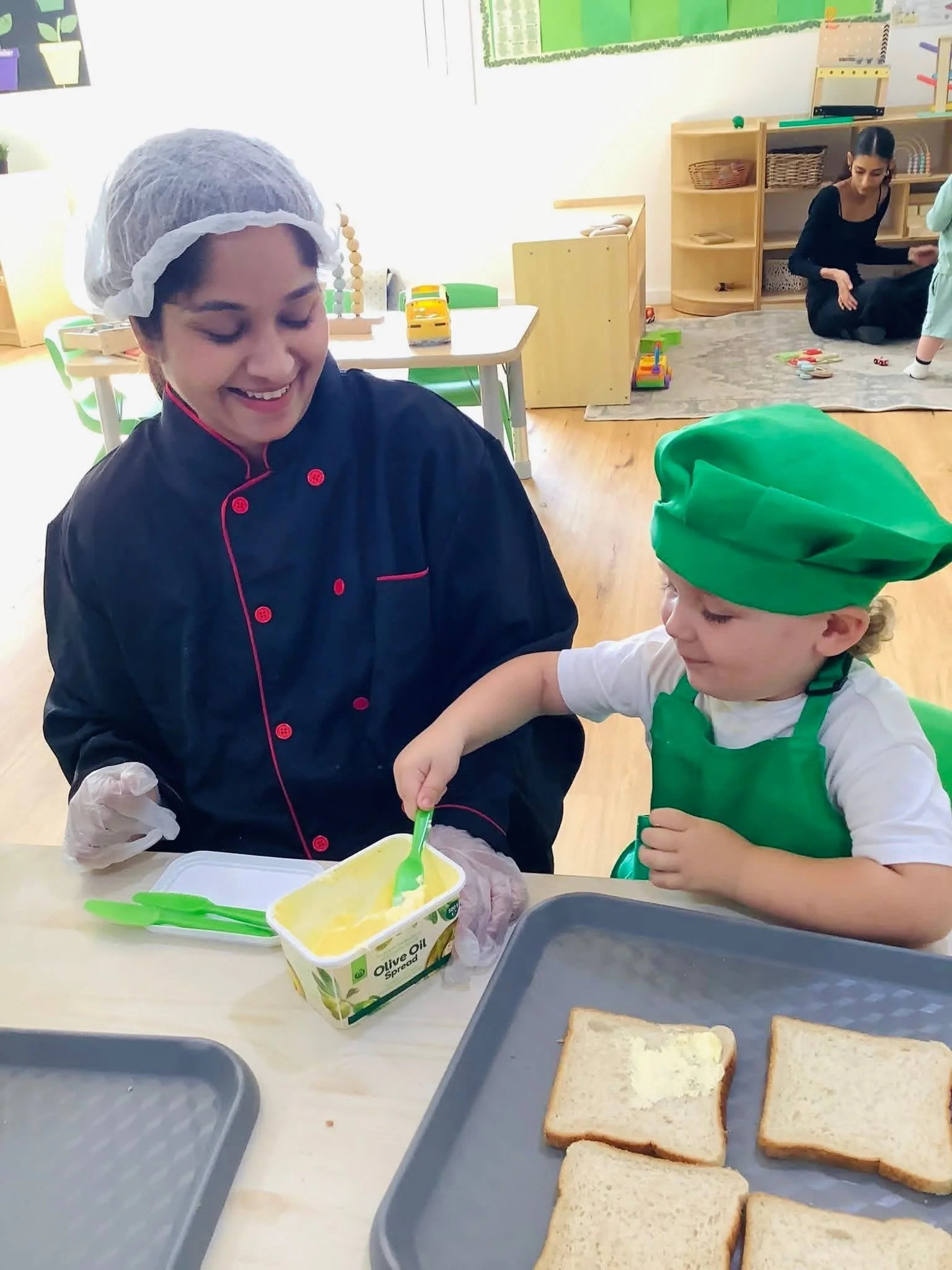
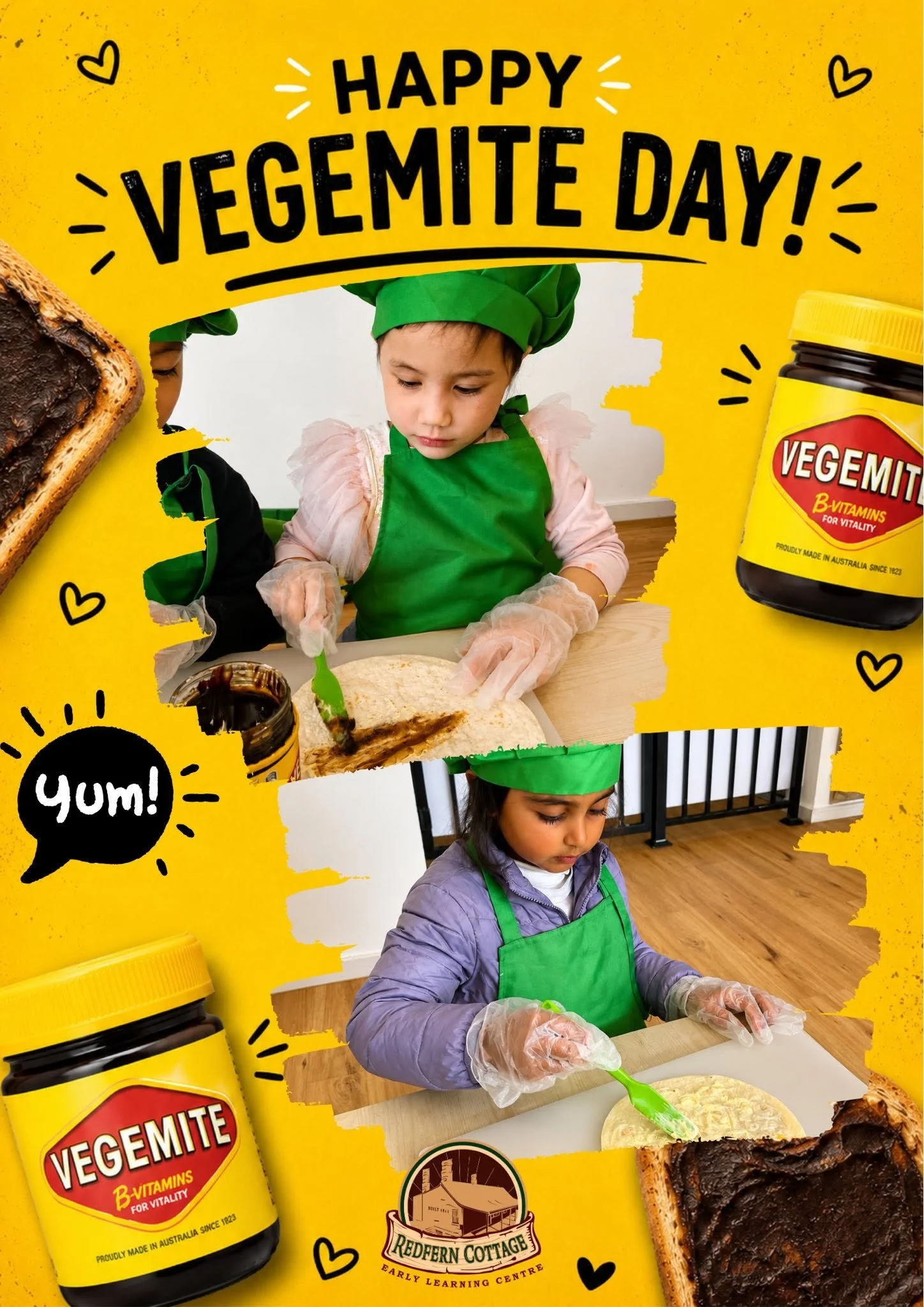
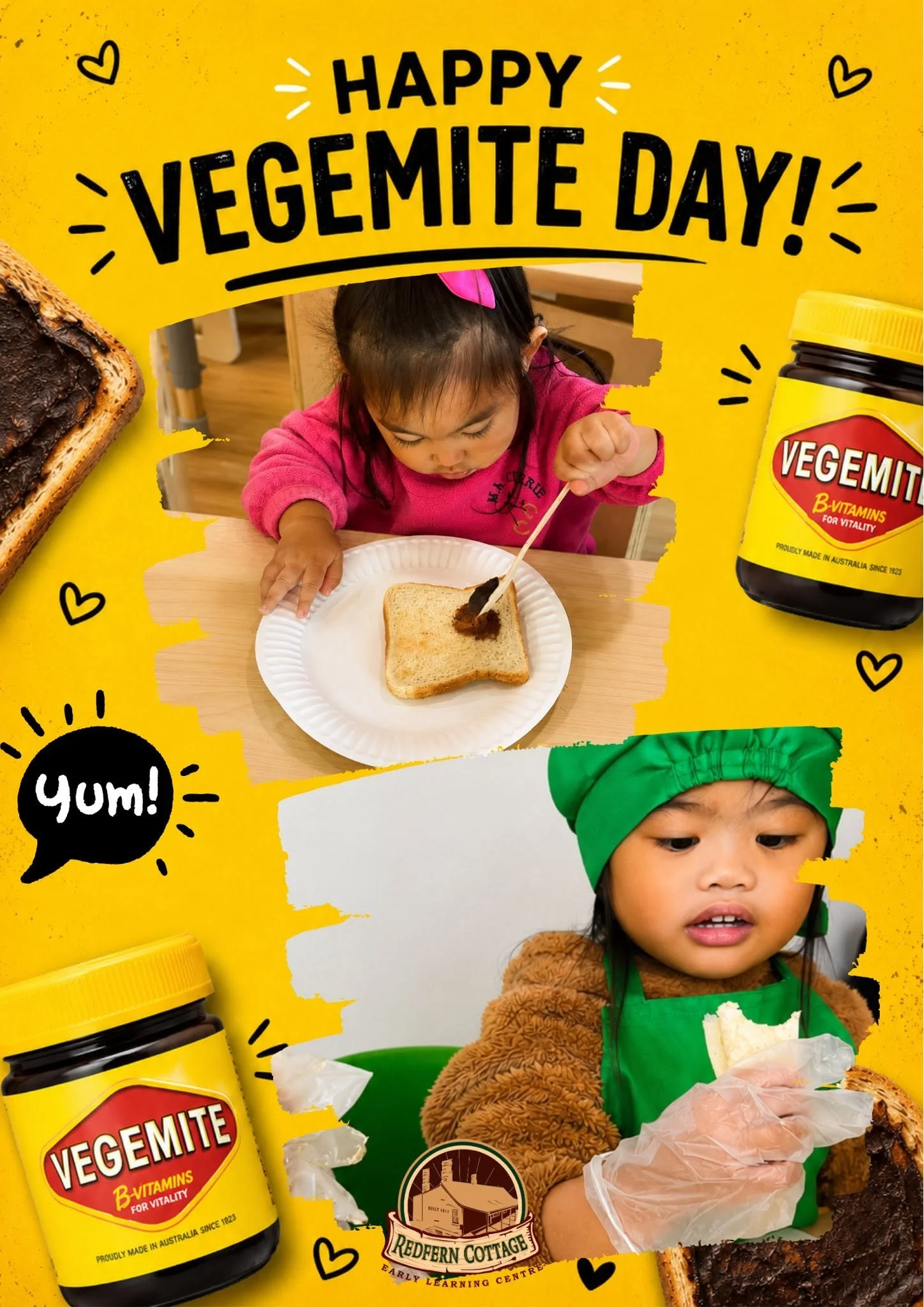
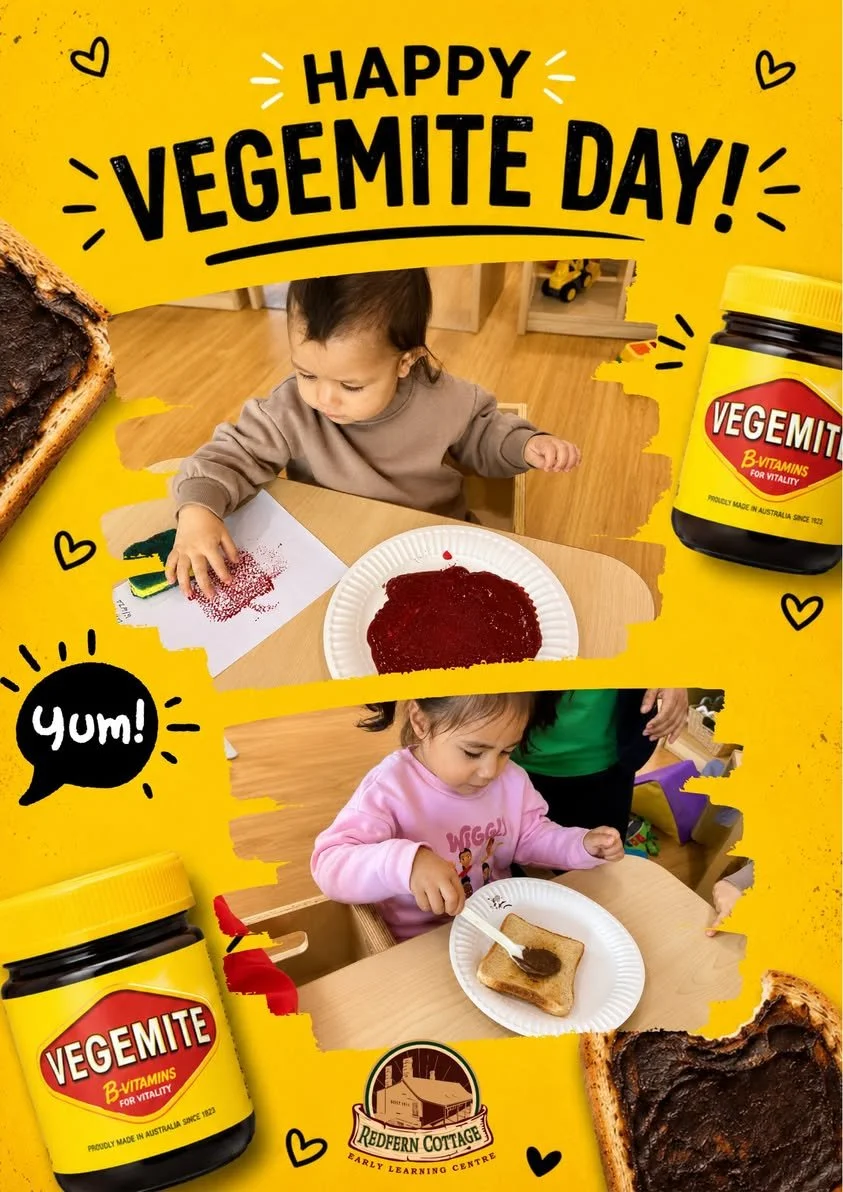
The food habits children build in their earliest years often stay with them for life. At Redfern Cottage, we see mealtimes and food-based learning as a meaningful part of each child's day — not just for nutrition, but as a genuine opportunity to build curiosity, confidence, and positive associations with healthy food.
Why Early Food Habits Matter
Young children are forming their understanding of food, taste, and wellbeing well before they start making their own choices at the school canteen or the supermarket shelf. Positive, low-pressure exposure to a variety of foods during these early years helps build:
Healthy associations with food — exploring food through play and discovery, not pressure
Understanding of nutrition — recognising different food groups and what they do for our bodies
Independence and decision-making — early practice identifying nutritious choices
Social connection — sharing meals and conversations about food with peers and educators
How We Explore Healthy Eating in Our Rooms
Our Preschool children take part in rich, hands-on learning about healthy food and nutritious choices. Through group discussions, food sorting activities, art experiences, and dramatic play, children explore different food groups and talk about how healthy foods help their bodies grow strong. These conversations naturally extend to practical topics too, like what makes a great lunchbox — giving children real-world understanding they can carry home and into school.
Rather than presenting healthy eating as a list of rules, our educators focus on curiosity and connection — sorting foods by colour or food group, role-playing a trip to the market, or creating art inspired by fruits and vegetables. These playful approaches help children build genuine interest in healthy food, rather than seeing it as something imposed on them.
Building the Link Between Food and Wellbeing
A key part of this learning is helping children understand the connection between what they eat and how they feel — not in a restrictive way, but as part of building general body awareness and wellbeing. Educators often observe children making their own connections between healthy eating and feeling good, energised, and ready to play, which is exactly the kind of intuitive understanding we want to nurture at this age.
Supporting Healthy Habits at Home
Families can build on this learning by involving children in simple food-related tasks at home — helping wash vegetables, choosing a fruit at the shop, or helping pack their own lunchbox. These small moments of involvement build the same sense of curiosity and ownership we encourage at the centre.
A Foundation for Lifelong Wellbeing
Helping children build a positive, curious relationship with food in these early years sets them up with habits and attitudes that can last well beyond childhood. If you'd like to learn more about how we approach healthy eating and wellbeing at Redfern Cottage, get in touch with our team — we'd love to chat.