Koalas, Kangaroos and Curious Questions: Learning About Animals at Redfern Cottage
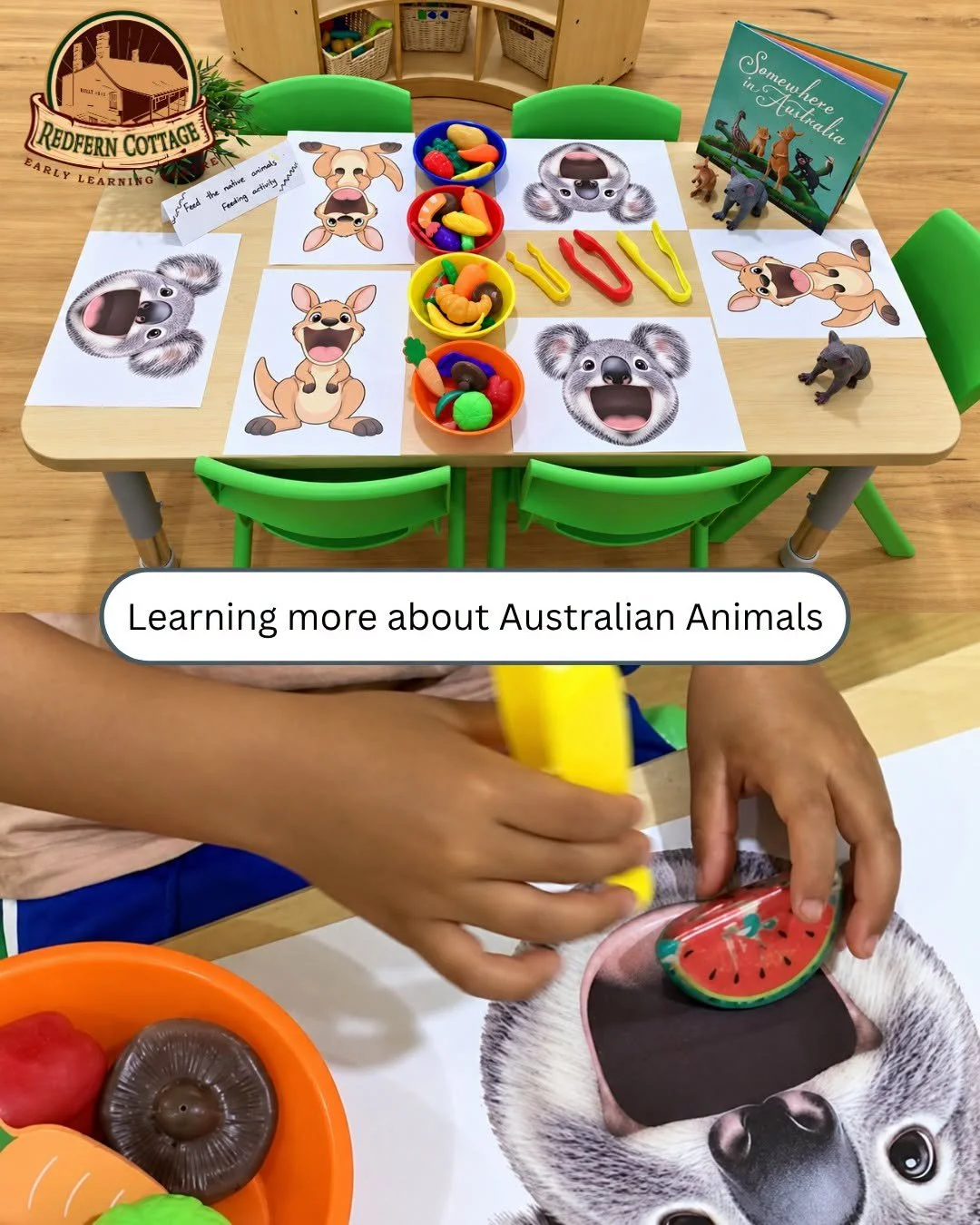
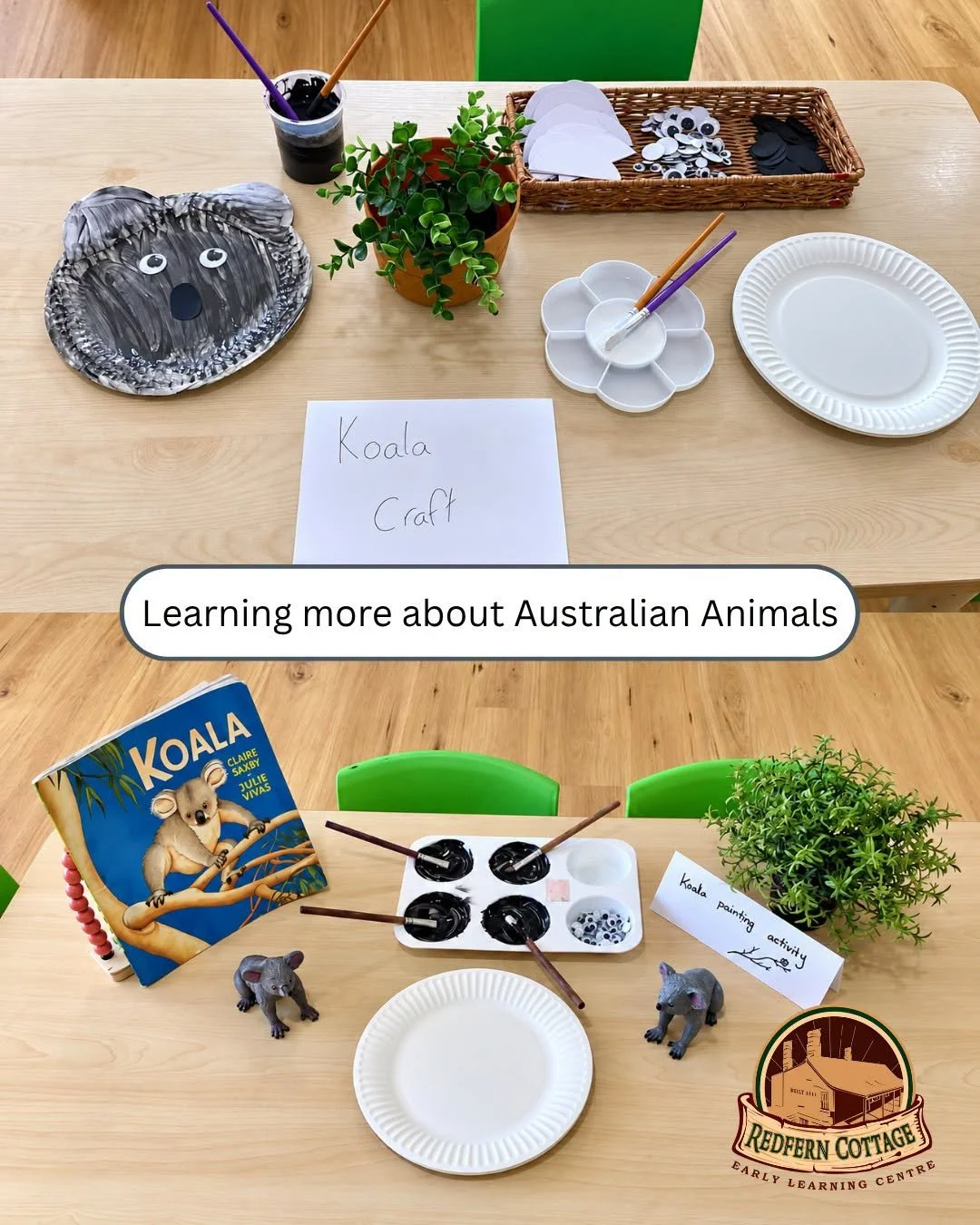
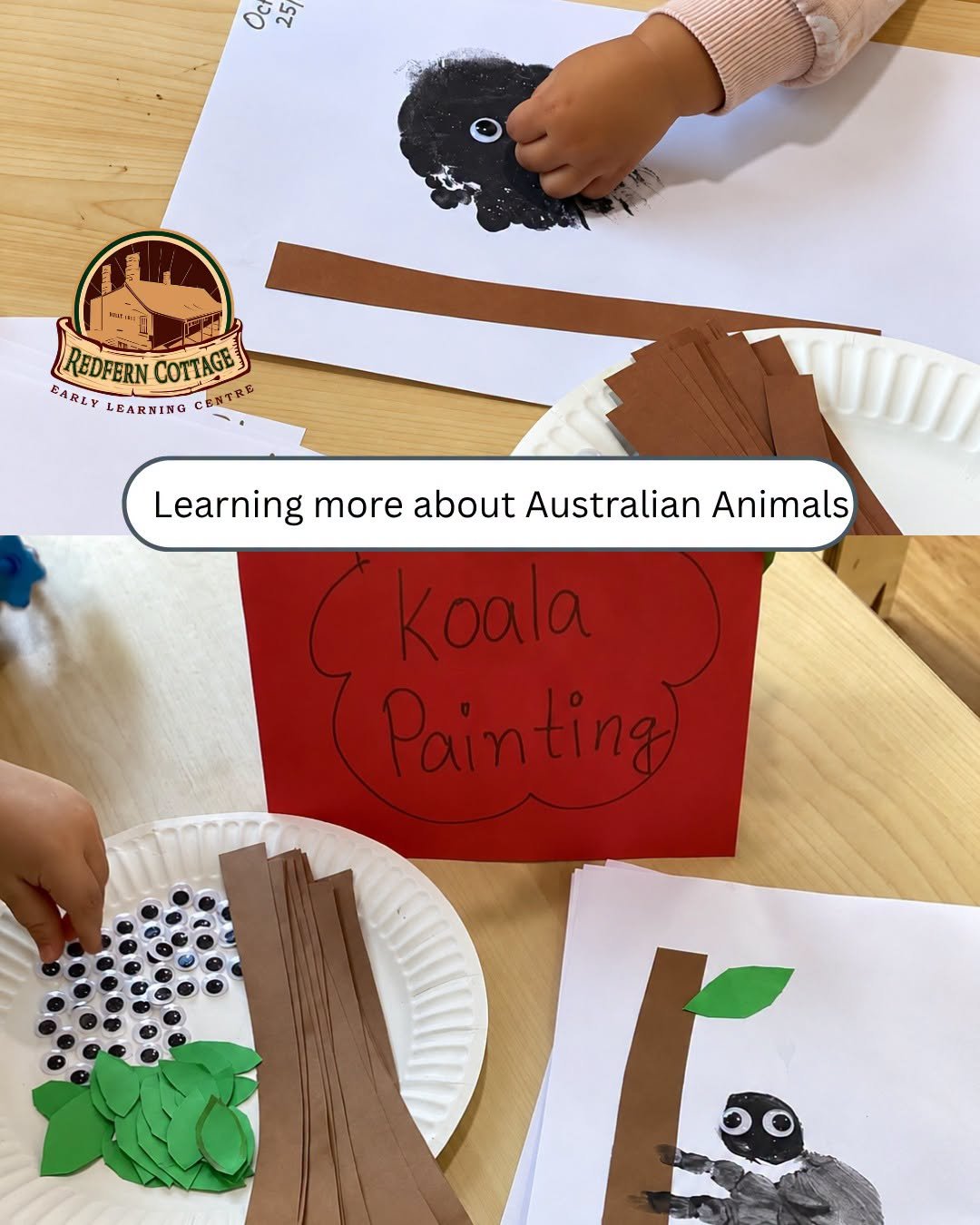
"Do koalas drink water?" asks one preschooler. "No, they eat leaves," says another, very confidently. A third is not so sure and suggests they check in a book. Before long, the whole group is gathered around a picture book of Australian animals, comparing what they thought they knew with what the pages say. This is exactly the kind of curious, questioning conversation that animal learning sparks.
Why Animals Make Such Great Teachers
Children are fascinated by animals from a very young age. Animals are familiar, full of personality and endlessly surprising, which makes them a perfect doorway into language, science, movement and empathy. A single conversation about where an animal lives can lead to learning about habitats, food, weather and how living things look after their young.
At Redfern Cottage, we follow that natural interest and use it to build skills across many areas of development, in line with the EYLF's focus on children being connected with and contributing to their world.
Vocabulary: Animal names, sounds, body parts and habitats introduce lots of new words.
Thinking skills: Comparing and sorting animals by where they live or what they eat is early science.
Movement: Pretending to hop, waddle or slither builds coordination and body awareness.
Imagination: Animal role play encourages storytelling and cooperative play.
Respect for nature: Learning about animals helps children understand that all living things need care.
Animal Adventures in Preschool 3-4
Our Preschool 3-4 children recently explored the wonderful world of animals. They learnt about different animals, their characteristics, where they live and the sounds they make. Through discussions, stories, creative experiences and imaginative play, children were encouraged to share their own ideas and experiences.
A clear favourite was pretending to be different animals. Children took on the roles of all kinds of creatures, using their imagination, voices and whole bodies to bring them to life. This kind of play builds confidence and social skills just as much as it builds knowledge.
Educators extended the learning by asking open questions and inviting children to share their own experiences, such as pets at home, animals they had seen on outings or favourite animal characters from books. Connecting new information to children's own lives helps the learning stick, and it gives quieter children a comfortable way to join the conversation.
Australian Wildlife in Preschool 4-5
Our older preschoolers took a deeper dive into native Australian animals during Australian Wildlife Week. Through conversations, stories, creative experiences and investigations, they explored where Australian animals live, what they eat and how they survive in different environments.
The children showed real curiosity, sharing what they already knew, asking thoughtful questions and building new understandings about the animals and natural places around them. These experiences encouraged respect and care for Australian wildlife, while also supporting language development, critical thinking and a growing sense of environmental responsibility.
Every Age Joins In
Animal learning is not just for preschoolers. Celebrations like World Farm Animals Day give younger children the chance to explore animal sounds, songs and stories too, and our Little Explorers love acting out animal movements and noises during music and play. Because animals connect with art, movement, stories and outdoor exploration, every child can find their own way into the topic.
For preschoolers getting ready for school, animal themes also support important early literacy and numeracy skills. Counting legs, comparing sizes, sorting animals into groups, recognising the first letter of an animal's name and retelling animal stories in sequence are all skills that children will build on in their first year of school.
Keep the Curiosity Going at Home
Spot birds, insects and lizards in your backyard or local park and talk about what they need.
Read picture books about Australian animals and ask your child to retell the story.
Play "animal charades", taking turns to act out an animal for others to guess.
Visit a local farm or wildlife park and talk about the animals afterwards.
Draw or paint a favourite animal together and talk about where it lives.
Raising Curious, Caring Learners
Learning about animals helps children grow in confidence, curiosity and care for the living world. If you are looking for a preschool program in Minto where children's questions are encouraged, get in touch with our team to book a tour of Redfern Cottage.