Keeping Children Safe: How Redfern Cottage Teaches Body Safety
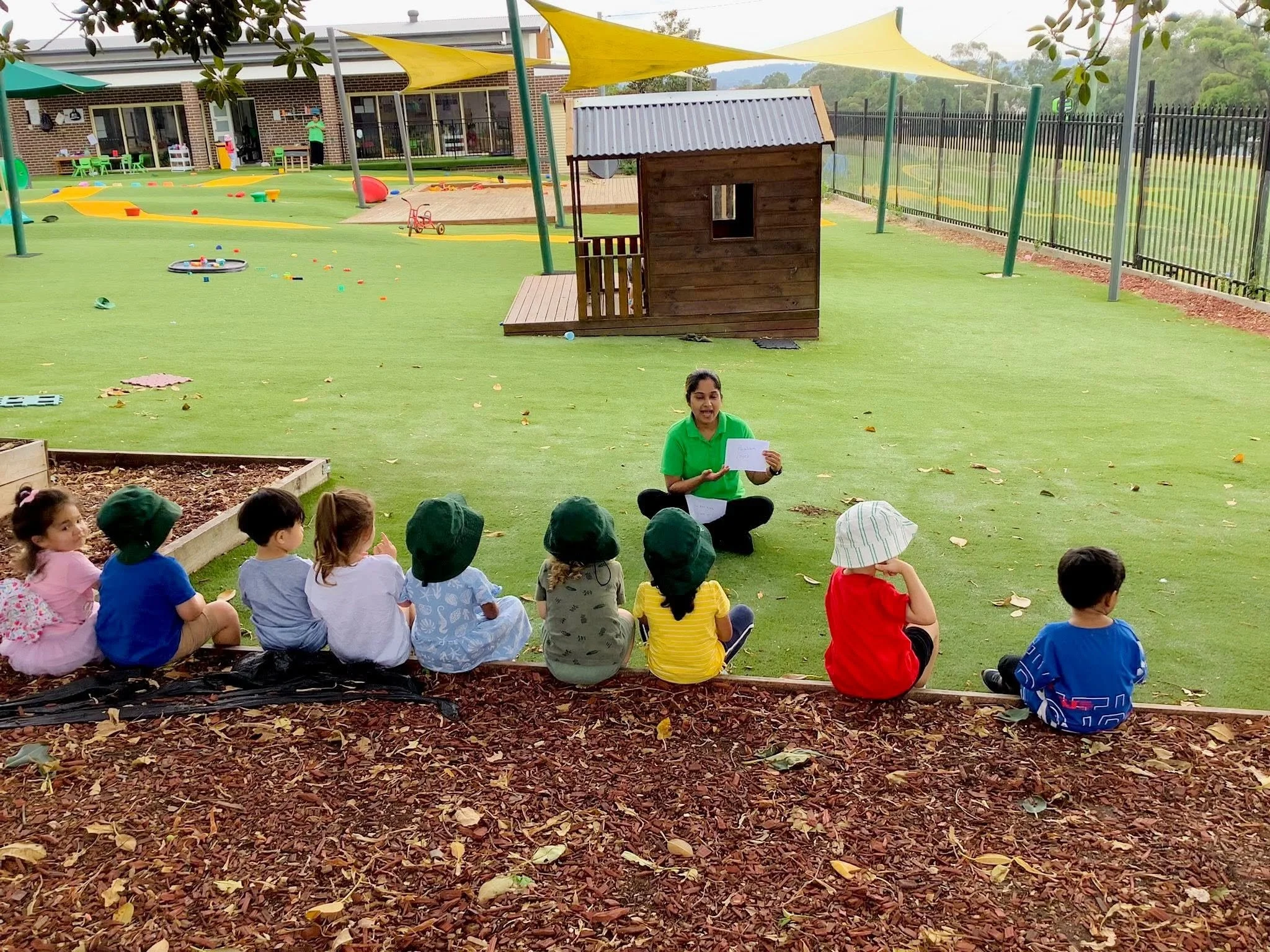
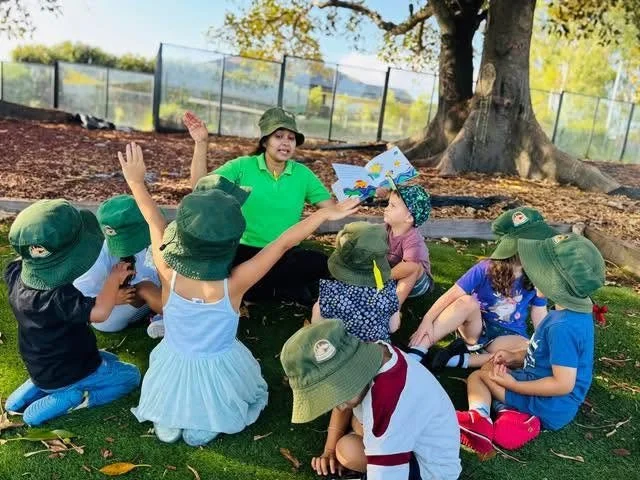
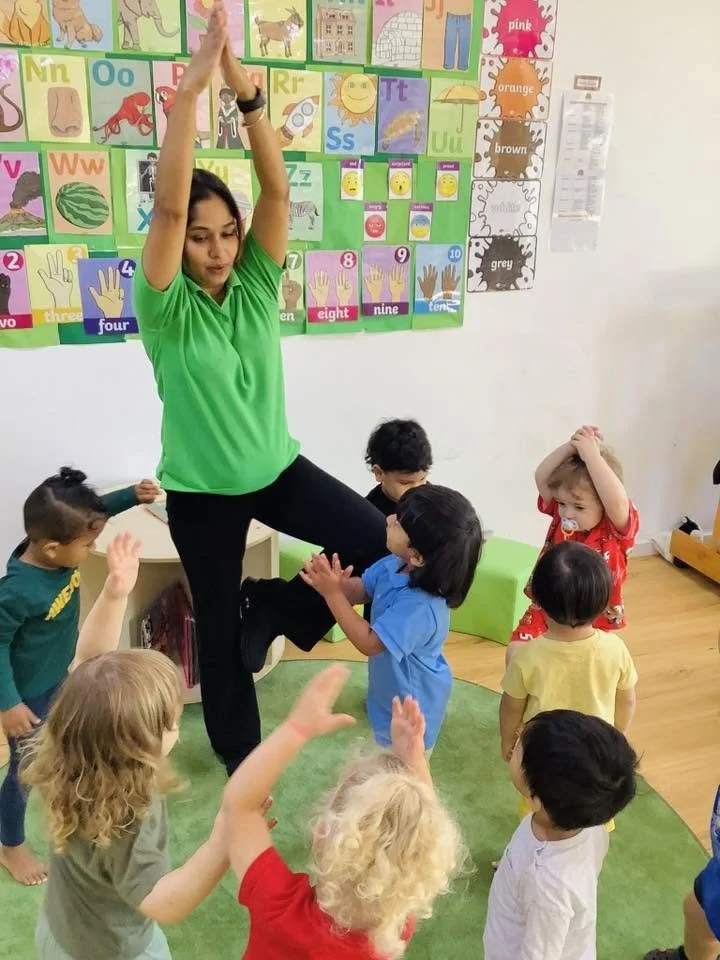
Conversations about body safety can feel daunting to introduce with young children, but the early years are one of the most important times to start. At Redfern Cottage, we approach body safety as a core part of our wellbeing program, woven in through age-appropriate stories, role play, and conversations that build confidence and resilience without causing alarm.
Why Body Safety Education Starts Early
Children who understand their own bodies and boundaries are better equipped to recognise when something doesn’t feel right, and more likely to speak up about it. Research consistently shows that early, age-appropriate safety education is one of the most effective protective factors for young children — not because it frightens them, but because it gives them language, confidence, and trusted adults they know they can go to.
At the preschool stage, body safety learning focuses on:
Understanding personal boundaries — knowing which parts of their body are private and belong to them
Recognising safe and unsafe situations — building the awareness to identify when something feels wrong
Identifying trusted adults — understanding who children can go to for help when they need it
Using their voice — knowing it’s always okay to speak up if something doesn’t feel right, and that they will be believed and supported
How We Approach This Learning
Across our Preschool rooms, body safety is introduced through age-appropriate conversations, stories, role play, and songs — never in a way that is frightening or adult in tone. These are gentle, empowering experiences designed to build self-awareness and confidence rather than fear.
Children learn to name their feelings, practise saying “no” in a safe and supported environment, and understand that they should always tell a trusted adult if someone makes them feel uncomfortable, regardless of who that person is. These are simple but powerful concepts, and the earlier children have them, the more naturally they become part of how children understand and talk about themselves.
Our educators are trained to handle these conversations sensitively, and always with care for each child’s individual stage of development. Activities are designed to feel safe, positive, and age-appropriate across every room.
Partnering With Families on Safety
Body safety education works best when it’s reinforced at home as well as at the centre. Families can support this learning by using correct anatomical names for body parts, reading books about personal safety, and keeping open the kind of communication that makes children feel safe telling you anything. The message that “your body belongs to you” is one that children benefit from hearing from both their educators and the people they love most.
If you’d like to talk more about how we approach body safety at Redfern Cottage, or if you have any questions about this aspect of our program, get in touch with our team — we’re always happy to talk it through.