The Moment an Egg Cracks Open: Life Cycle Learning at Redfern Cottage
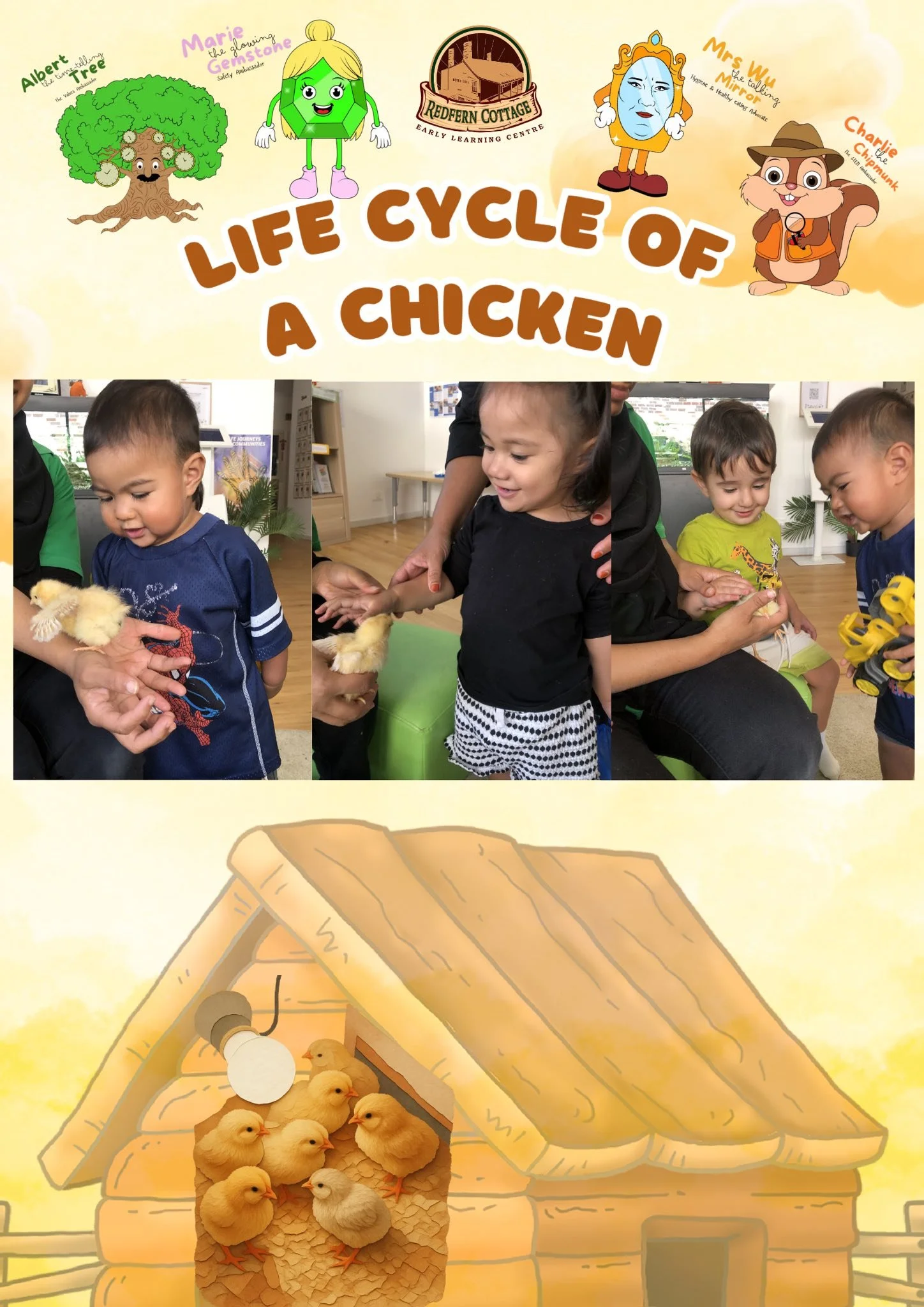
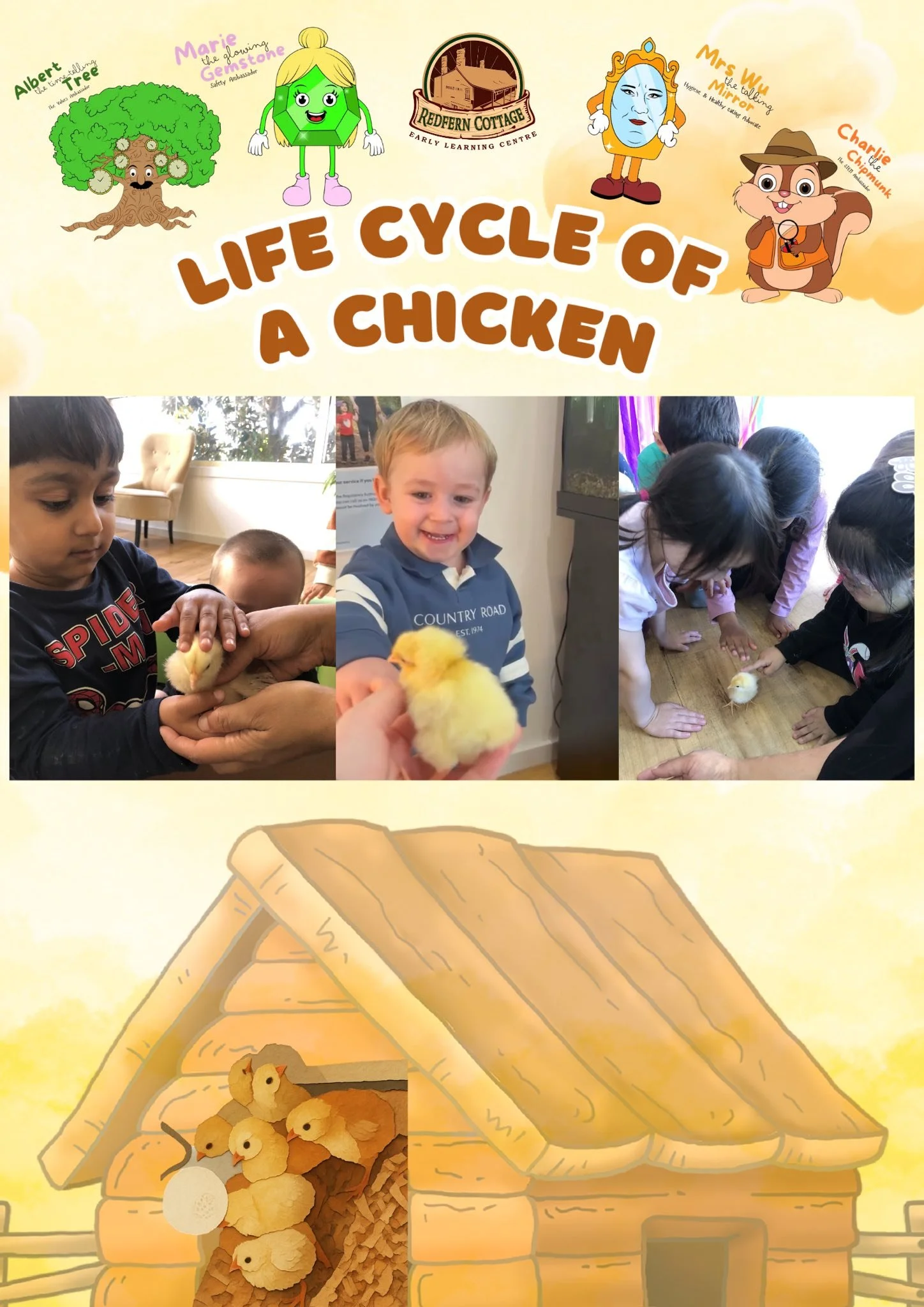
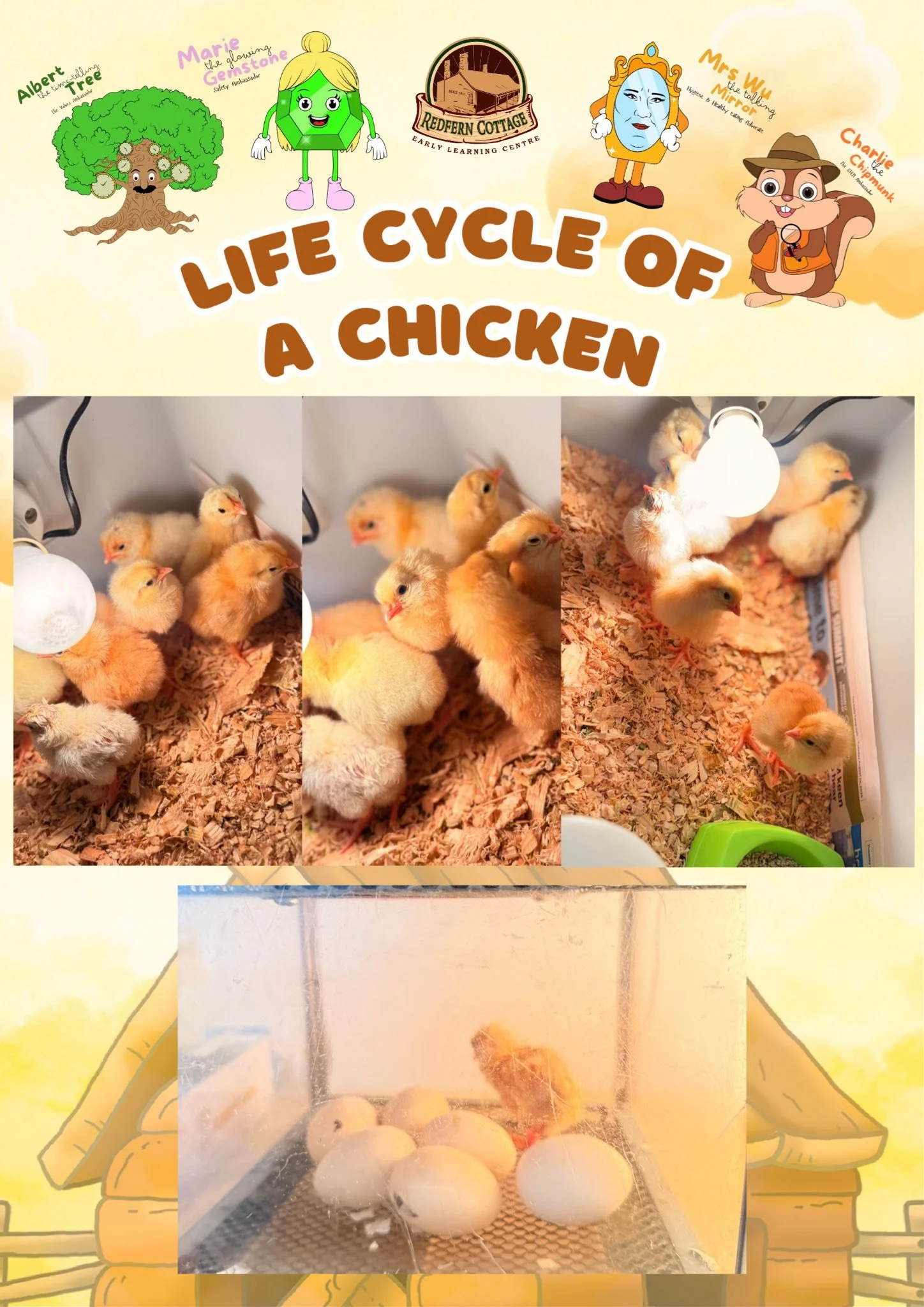
There are educational experiences that you read about in books, and there are educational experiences that stay with a child for years because they were real. Watching an egg hatch is firmly in the second category. This term at Redfern Cottage Early Learning Centre, children had the rare and remarkable opportunity to witness baby chicks emerge from their eggs, hold them gently, feed them, and learn what it means to care for something small and vulnerable. It was, by every account, one of those mornings that nobody in the room forgot.
What the Life Cycle of a Chicken Actually Teaches
On the surface, a hatching egg programme teaches children about how chickens are born. And it does do that, thoroughly and memorably. But the developmental learning running underneath that surface content is considerably deeper.
Observation skills are one of the first things to develop. Children who are watching eggs closely, waiting for movement, noticing cracks forming in the shell, are practising sustained attention and careful observation in a way that no structured activity can manufacture. Curiosity drives the whole experience: children ask questions because they genuinely want to know the answers, and that intrinsic motivation is the most powerful learning state there is.
Understanding growth and change is another significant outcome. The concept that a living thing begins as one thing and becomes something entirely different, that change is natural, gradual and remarkable, is a foundational idea that children will encounter throughout their education in science, biology, and beyond. Encountering it for the first time through direct experience rather than a diagram is an enormous advantage.
Gentleness, Kindness and Responsibility
The care component of this programme was as valuable as the observation component. Children had the chance to gently pat the chicks, feed them, and participate in their care. These are experiences that build empathy and a sense of responsibility in ways that conversation alone cannot achieve.
A child who has held something fragile and understood that their actions directly affect its wellbeing has learned something important about kindness. A child who has fed an animal and watched it respond has begun to understand what responsibility actually means, not as an abstract concept but as a lived experience. These are the kinds of values that early childhood education is uniquely positioned to build, and that stay embedded in a child's character long after the specific memory fades.
Connecting to the Early Years Learning Framework
The chicken hatching programme aligns directly with multiple outcomes in the Early Years Learning Framework: children developing a sense of wonder and curiosity about the natural world, building respectful relationships with living things, and developing the observation and inquiry skills that underpin scientific thinking. The educators at Redfern Cottage designed and facilitated this experience with those outcomes in mind, which is what separates a memorable event from a genuinely educational one.
Learning Through Living Things
At Redfern Cottage, we believe children learn most deeply when their experiences are real, meaningful and connected to the living world. Programmes like the chicken life cycle unit reflect our commitment to an educational approach that goes well beyond worksheets and colour-in sheets, and into experiences that children carry with them.
If you want your child to be part of a learning journey like this one, we'd love to welcome your family to Redfern Cottage.
Book a tour or enquire about enrolment at Redfern Cottage today.